<Back to news
16 Mar 2026
Why Cooperation Is an Essential Skill for Young Children ?
Building Children’s First Social Skills
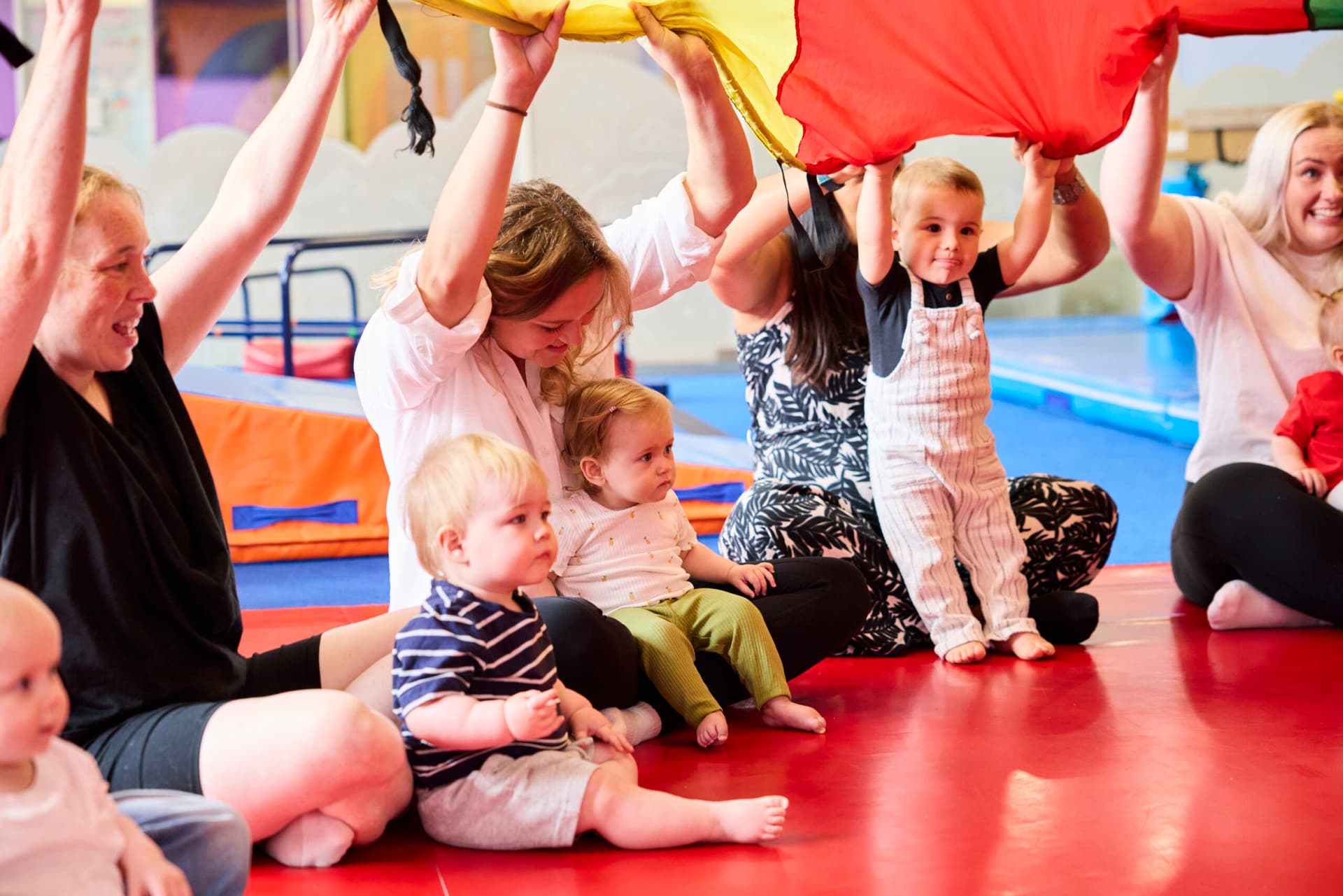
In a world where social and emotional skills are increasingly valued, learning to cooperate and collaborate from a young age is essential for children’s development. Long before primary school, children begin building the foundations of their social relationships. They learn to share, wait their turn, listen to others, and resolve small conflicts.
These early lessons play a key role in their personal development and future success. At The Little Gym, cooperation and collaboration are at the heart of the activities offered to children, helping them develop these skills in a natural, playful, and positive way.
Cooperation means working with others to achieve a common goal. For young children, this can be as simple as building a tower together, completing a movement course one after another, or taking part in a team game.
These experiences allow children to develop several fundamental skills.
Empathy
When children cooperate, they learn to recognize others’ emotions and understand their needs. According to UNICEF, the development of social and emotional skills during childhood encourages empathy and positive relationships throughout life.
Communication
Collaborating involves expressing ideas, listening to others, and finding common ground. These interactions contribute to the development of language and communication skills.
Emotional Regulation
Group situations can sometimes create frustration or disagreements. Learning to cooperate helps children manage their emotions and resolve conflicts in a constructive way.
Self-Confidence
Participating in a group activity and contributing to a shared success strengthens self-esteem and a sense of belonging. Research from Harvard University shows that positive social interactions during childhood play an essential role in building confidence and resilience.
The Role of Play in Learning Collaboration
Play is one of the most effective ways for children to learn collaboration. Unlike formal learning, play allows children to experience social interactions naturally and spontaneously.
Physical activities and group games are particularly beneficial for developing teamwork. For example:
- movement courses completed together
- games where children pass an object to one another
- collective challenges
- group gymnastics activities
In these situations, children learn to help each other, encourage their peers, and celebrate successes together.
According to the American Academy of Pediatrics, play promotes children’s social, emotional, and cognitive development and is a fundamental element of learning.
At The Little Gym, activities are specially designed to encourage these positive interactions. Children participate in structured games that encourage cooperation while developing their physical abilities, coordination, and self-confidence.
Cooperation and Social-Emotional Development
The first years of life are crucial for brain development and social skills. Interactions with other children and adults help build what are known as social-emotional skills.
These skills include:
- the ability to work as part of a team
- emotional regulation
- problem-solving
- respect for rules and others
According to the Organisation for Economic Co-operation and Development (OECD), social-emotional skills developed during childhood strongly influence academic success, well-being, and social integration.
When a child learns to collaborate in a positive and safe environment, they also develop the ability to trust others and integrate into a group.
These skills will be particularly useful when they start school. Children who know how to cooperate often find it easier to participate in group activities, follow instructions, and build friendships.
The Long-Term Benefits of Collaboration
Skills acquired during early childhood have a lasting impact on children’s future lives. Learning to collaborate from a young age prepares children to face the challenges of school, social life, and their future careers.
Children who develop these skills early are more likely to:
- work effectively in teams
- show empathy and respect
- resolve conflicts constructively
- adapt more easily to new situations
Research conducted by the World Economic Forum highlights that social skills such as collaboration, communication, and emotional intelligence are among the essential skills for the future of work.
How to Encourage Cooperation in Daily Life
Parents also play an essential role in learning collaboration. Many simple activities can help children develop these skills at home.
Here are some easy ideas to implement:
Offer board games
Board games teach children to wait their turn, follow rules, and accept outcomes.
Encourage team projects
Building a puzzle, baking a cake, or tidying up a room together helps children discover the satisfaction of completing a task collectively.
Value helping behaviors
Praising a child when they help someone or share a toy reinforces cooperative behavior.
Lead by example
Children learn a lot by observing adults. Demonstrating collaborative behavior in daily life is one of the best ways to pass on these values.
An Ideal Environment for Learning Cooperation
To develop these skills, children need a safe, supportive, and stimulating environment. Structured activities supervised by professionals allow children to learn cooperation while having fun.
At The Little Gym, each class is designed to encourage children to:
- participate actively
- support their peers
- take on challenges together
- build confidence in their abilities
Through an approach based on play and movement, children naturally learn to collaborate, share, and celebrate collective achievements.
Sources
- UNICEF – Early Childhood Development and Social Skills
- American Academy of Pediatrics – The Importance of Play in Promoting Healthy Child Development
- Harvard University – Center on the Developing Child
- Organisation for Economic Co-operation and Development – Social and Emotional Skills and Well-being
- World Economic Forum – Future of Jobs Report